Work
Fifteen years on some of the biggest, most complex live events in the world. Now we bring what we learned there to events of every size.

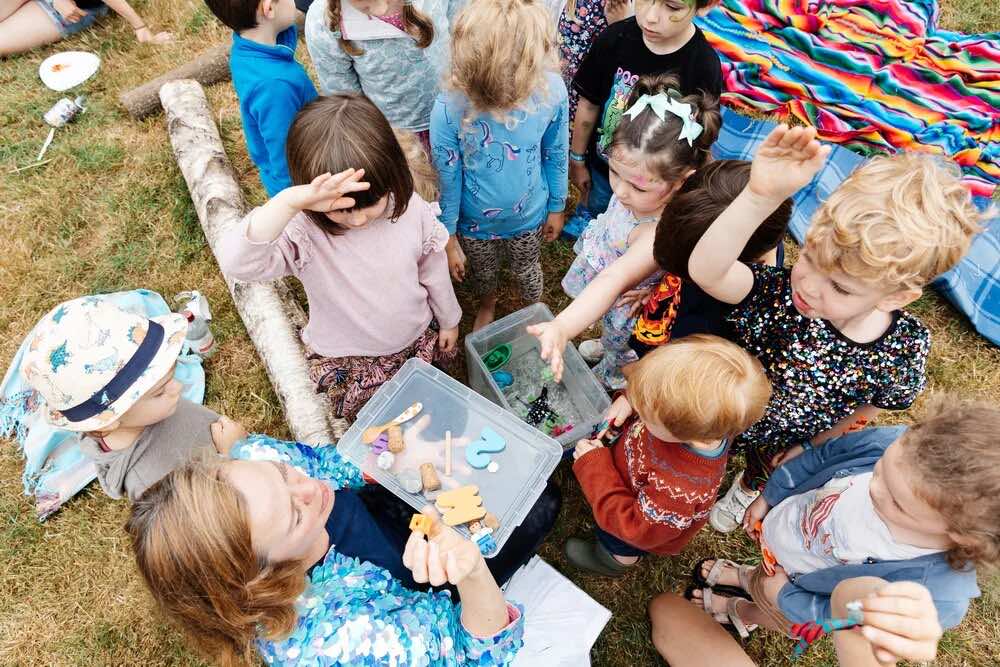
Our own venture. Jess co-founded Adventure Club with Jodie Freeman as their own charitable event: this one is us building an event from scratch. Today Adventure Club CIC runs the family festival each July and free community events every month.
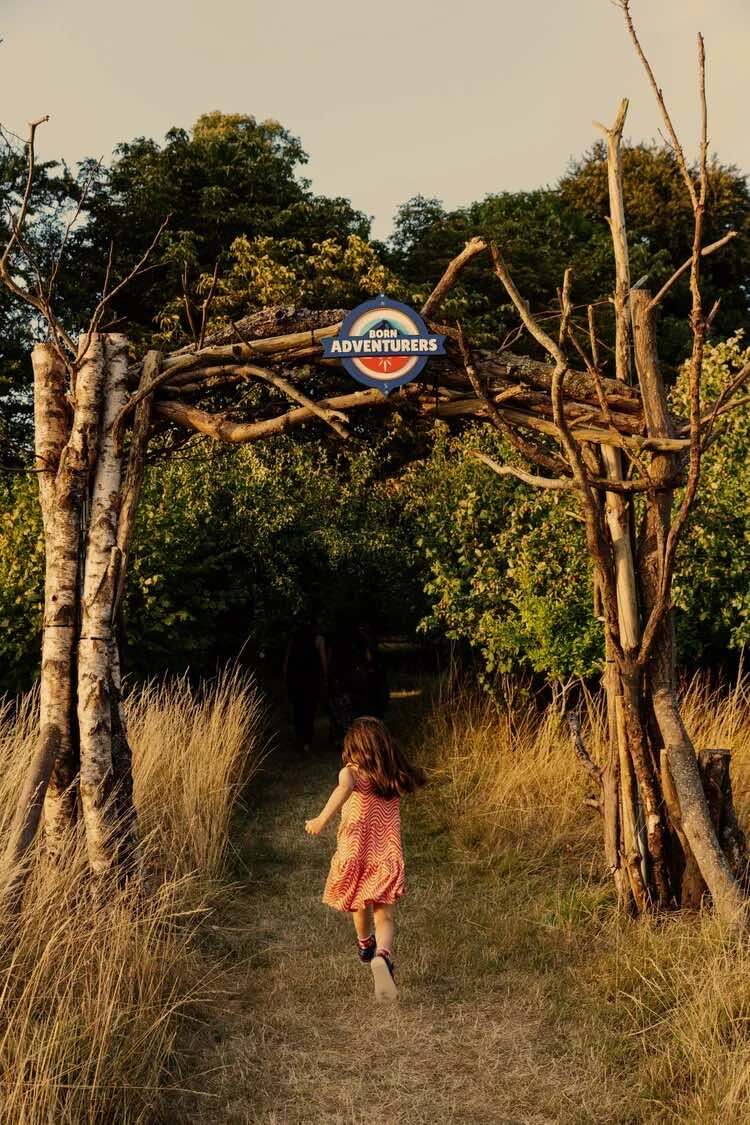
Adventure Club set out to create a haven for children in the woodlands: science-based outdoor activities in a friendly, safe environment where families could spend the whole day. We programmed 70 family-friendly activity sessions across the event.
We delivered the whole thing. We found and contracted the site, handled the licensing, and booked the traders, suppliers and artists, and every one of our traders was local.
We wanted rich, nature-based decor that still felt family-friendly, so we worked with vibrant colour alongside natural materials taken from the land, and returned them to it once the event was over.
What we did: Venue sourcing, site contracting, licensing, traders & suppliers, artist booking, creative production.
Operations, creative production and delivery, all from one team.
We love creating audiences and building reach to all members of the community. Since we usually build the ticketing, we can implement tiered pricing, local resident concessions and free places that aren’t an afterthought.
Adventure Club is the clearest example. We were clear from the start about who we wanted there: families who would not otherwise have the disposable income to attend a camping festival.
We ran tiered pricing alongside free tickets for personal assistants and discounts for people on certain benefits. Schemes like that only work if the places reach the people they are meant for, so we ran a proper application process with moderation behind it.
Ticket price is only part of the problem, though. Getting to a site costs money, and so does the kit you are expected to turn up with. So we partnered with local community groups to provide transport to site, and tents for families who did not own them.
How: tiered pricing, personal assistant tickets, benefit discounts, application and moderation, community partnerships, transport to site and tents provided.
The families we wanted to reach could get there, and stay.
Alongside Adventure Club: a city festival before Lintel, an independent venue and a charity music festival. Very different briefs, the same approach behind each.
One of Bristol’s biggest city festivals, run end to end: the artists, site, logistics, traders and creative, for 20,000 people a day across two days.
Read the story →Jess leads events at Communa, contracted through Lintel. We set up a full EPOS system across two bars and the kitchen, with kitchen printing and stock control, took on the weekly Saturday markets, and wrote the operations manual the venue now runs on.
Read the story →Ticketing and access control from box office to the door, so audiences get in smoothly and a small charity team can focus on the music.
Read the story →Production, event management and health and safety, at festivals in the UK and around the world.
Hover over or tap a name to find it on the map.
Safety, project management and safeguarding qualifications to back up everything we do.
National General Certificate in occupational health and safety.
Technical member of the Institution of Occupational Safety and Health.
Structured project management, applied to events that have to land on time.
For events with children, young people and vulnerable audiences.
Technology we’ve implemented, when it’s been the right tool: Weezevent, Citizen Ticket, Ticket Tailor, FestivalPro, OurCrew, Eventree, Square, Lightspeed and NoQ. We’re independent and recommend what fits your event. Where we have a working relationship with a provider, such as Weezevent, we’ll always tell you.
Not case studies, and not especially tidy. But they say more about how we think than a list of deliverables does.
“If you can’t afford to come any more, the reason doesn’t matter.”From the field notes below
I’ve sat in the room where next year’s ticket price gets set. It’s never cynical. Production costs go up every year, and after Covid they went up faster. So the price went up too.
Then I sat on the other side of it, watching the customer service inbox fill with people who’d come for years and suddenly couldn’t afford to.
From the outside, a price rise that covers costs and one that makes a profit look exactly the same. If you can’t afford to come any more, the reason doesn’t matter.
I’ve watched one festival director absorb losses year after year rather than price out their audience, and another move deliberately upmarket. Both were reasonable answers to the same problem. Neither is straightforwardly right.
So before anyone touches the ticket price, we look at the whole money picture: sponsors, partners, hospitality, the bars. They’re what give you room to keep the ticket fair.
We watched two sets of data live: scans at the gates, and bar and food sales by area and by time of day.
Together they show you where people are, and where they’re about to be. Certain areas were getting really busy, and we could see it happening.
So we sent the litter pickers to where the crowd was heading, not where it had been. And when the gate scans showed the flow rate climbing, we put an extra scanning team on before a queue could build.
Keeping on top of every area live means no big clean-up at the end, and no queue building at the gates.
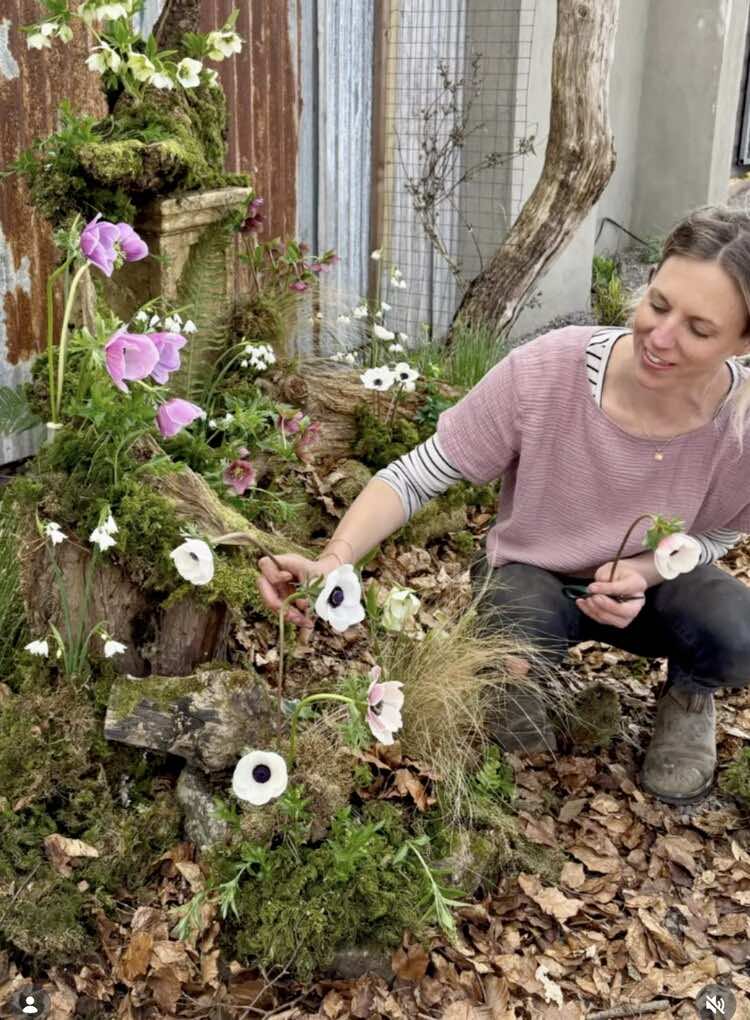
For Adventure Club we wanted decor that felt magical for children, and that we wouldn’t be throwing away afterwards.
So we started on the ground. Fallen branches, moss and twigs became the arch and the decor around the woods. We brought in live plants in pots, and the colour came from flowers, fabric and paint.
Then we were gifted some beautiful satin to dress the marquee. It needed hemming. I’ll never forget our colleague, and all-round legend, Electra turning up with a sewing machine, surrounded by hundreds of metres of dreamy satin.
When it was over, the branches went back under the trees. Everything else had already been used at other events, and it’s been kept to use again.
In 2019 I spent three weeks on the Black Rock Desert building a stage for Burning Man.
Dust storms cut visibility to a few metres. There was no established way for a UK production team to work out there, and food and basic facilities were hard to come by.
So we made decisions all day, every day, with half the information and very little comfort.
The stage looked incredible. We pulled it off.
It taught me that instinct gets you through the day, but a plan gets you through the week. The best crews I’ve worked with have both, and know when to use which.
If your ticketing, entry and payment systems don’t talk to each other, it’s costing you time and money. Answer eight quick questions for an honest read on where you stand. No email needed.
Got an idea you want to talk through? Drop us a line and we’ll grab a coffee and chat it over, in Frome, on a call, or wherever suits.